
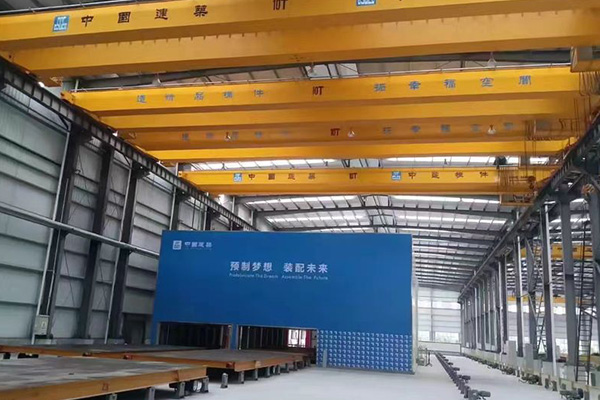
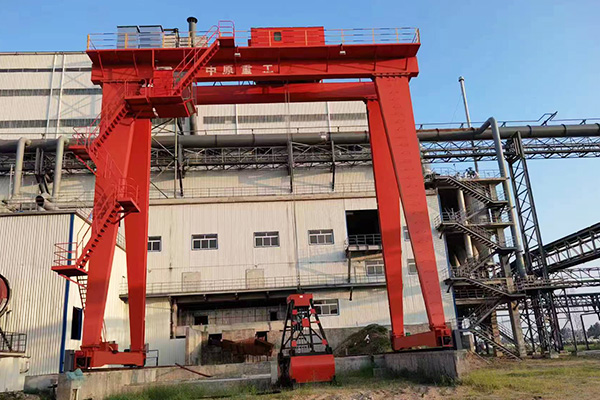
LH Double Girder Gantry Crane
Metal structure: The main girder adopts a welded box girder design, with web plates precisely cut under CNC control to ensure smooth and accurate stiffness curves. Main welds undergo submerged arc automatic welding and non-destructive flaw detection, followed by whole-girder shot blasting to achieve Sa2.5 grade for welding stress elimination. The surface is treated with zinc-rich epoxy paint (two coats on both sides, 140μm thickness) for corrosion resistance. End girders can feature European-style structures or rigid connections to the main girder via high-strength bolts, ensuring overall precision and stability.
Equipment Description
The electric double-girder overhead crane (typically LH type) is a light-to-medium-duty bridge lifting equipment with the following core structural and performance features:
Metal structure: The main girder adopts a welded box girder design, with web plates precisely cut under CNC control to ensure smooth and accurate stiffness curves. Main welds undergo submerged arc automatic welding and non-destructive flaw detection, followed by whole-girder shot blasting to achieve Sa2.5 grade for welding stress elimination. The surface is treated with zinc-rich epoxy paint (two coats on both sides, 140μm thickness) for corrosion resistance. End girders can feature European-style structures or rigid connections to the main girder via high-strength bolts, ensuring overall precision and stability.
Lifting and traveling mechanisms: The lifting core consists of CD1/MD1-type electric hoists, supporting dual-speed or variable-frequency speed regulation. Some models integrate a "three-in-one" drive system (combining F-class insulated variable-frequency motor, reducer, and brake), featuring compact size, low noise, and sensitive braking (automatic braking within 1 second during power loss). The trolley and bridge traveling mechanisms are separately driven—the trolley moves horizontally along the main girder rails, while the bridge travels longitudinally on elevated tracks. Some models achieve smooth, stepless operation via variable-frequency speed control.
Electrical and control systems: Equipped with phase-loss protection, anti-vibration contactors, and IP55-rated electrical cabinets for corrosion-resistant, easy maintenance. Power supply uses flat cables, zinc-coated sliding rails, and cable trolleys for smooth sliding. Operation modes include ground pendant control, wireless remote control, and cabin operation (open/closed cabins, accessible from side/end/top as needed).
Application Fields
Widely applicable to industrial production and logistics scenarios, including:
Machinery manufacturing, assembly workshops, metallurgical auxiliary workshops, and power plants for handling raw materials, equipment transfer, assembly, and maintenance;
Warehouse and material yard cargo loading/unloading and stacking;
Light textile and food production workshops, replacing conventional double-girder cranes for component/goods lifting (prohibited in flammable/explosive, corrosive, or humidity >85% environments, and unsuitable for molten metals/toxic/flammable materials).
The equipment covers lifting capacities of 3t~32t, spans of 7.5m~31.5m, duty classes A3~A5, and ambient temperatures of -25°C~+40°C.
Product Advantages
Space and structural efficiency: Compact external dimensions, low building clearance height, lightweight design, and reduced wheel pressure (~30% lower than traditional models). Expands effective workspace in existing facilities (relative lifting height increase) while reducing new factory construction height and infrastructure costs. Minimizes blind lifting zones, enhancing operational coverage.
Smooth and intelligent operation: Variable-frequency speed regulation and "three-in-one" drive technology enable gentle starts (reducing equipment/material impact damage), stepless speed control, and precise positioning. Some models integrate smart monitoring systems to record hoist operation, motor status, and safety cycles, providing maintenance planning data for efficient upkeep.
Safe, reliable, and long-lasting: High-quality metal welds and complete anti-corrosion processes ensure durability. Electrical systems feature multi-protection (phase-loss protection, anti-vibration contactors). Hoists include overload protection and travel limit functions. Key components (wheel sets, drive mechanisms) use mature, reliable products for extended service life.
Easier installation and maintenance: End girders connect to main girders via high-strength bolts for easy disassembly/transport, adapting to site relocation needs. Electrical cabinet layouts simplify routine maintenance (lubrication checks, electrical inspections), lowering lifecycle costs.
High cost-performance and customization: Compared to traditional double-girder cranes (e.g., QD type), offers more economical procurement/operation for medium-duty tasks. Customizable for span, clearance height, operation mode, and lifting height parameters to precisely match diverse lifting process requirements.
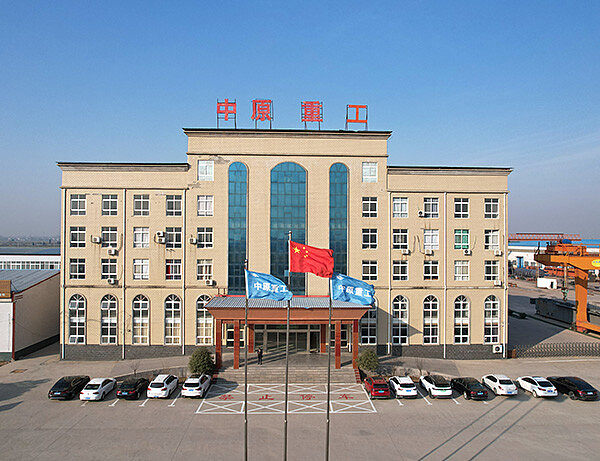
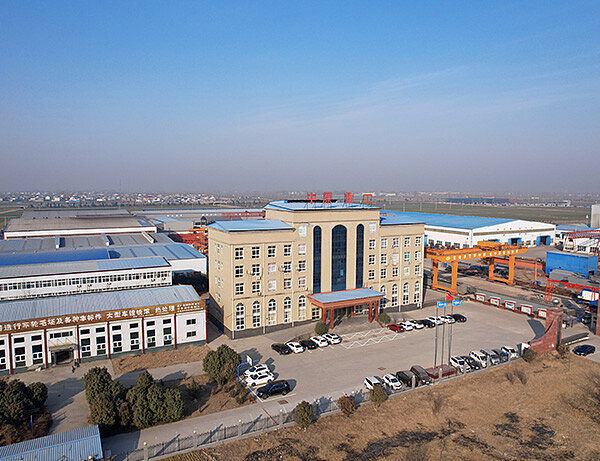
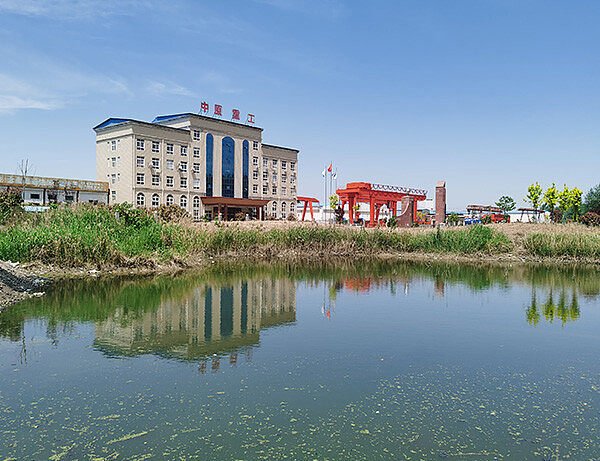
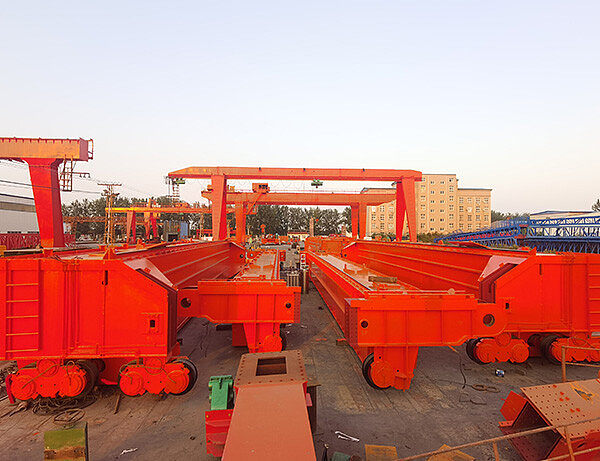
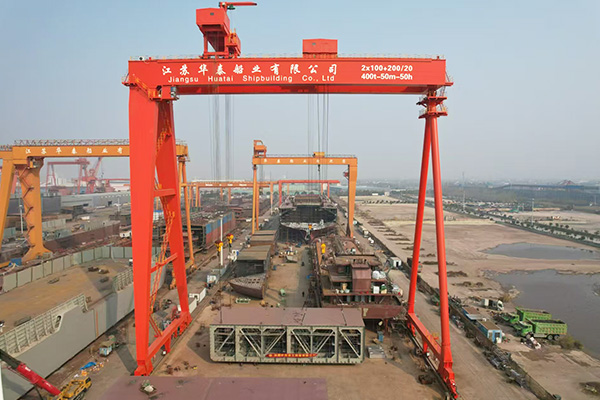
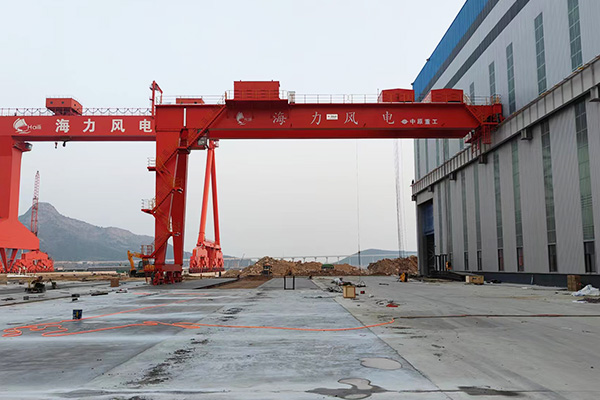
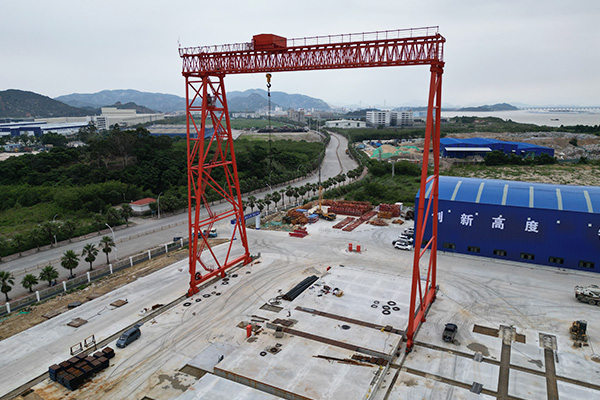
Factory Showcase

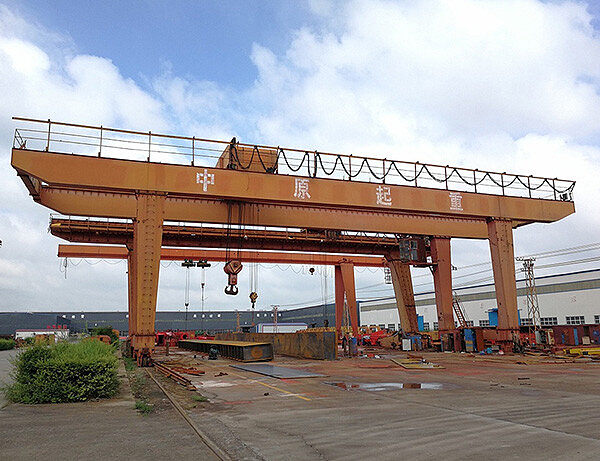
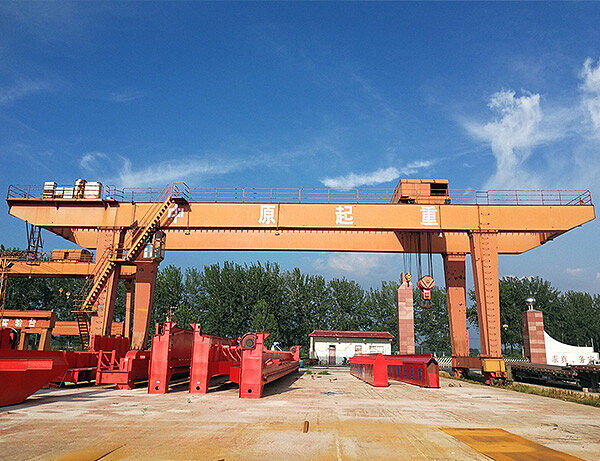
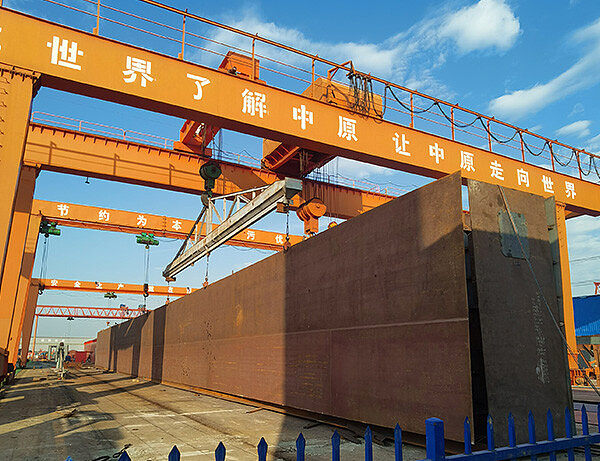
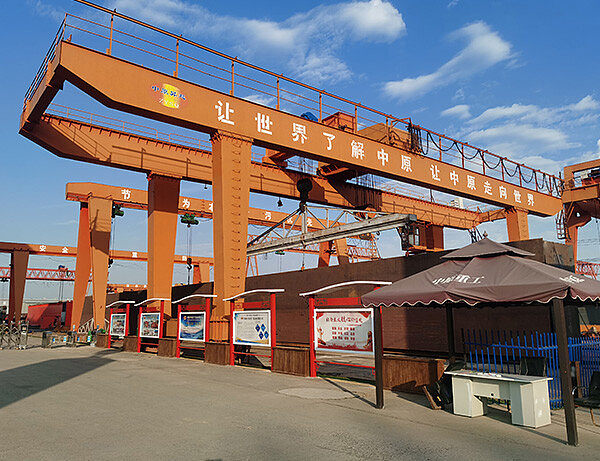
Contact Us
Product Center
Contact Us

Leading the industry with technological innovation, forging core competitiveness
Contact Us
*We respect your confidentiality, and all information is protected.